Why Pooler Auto Repair Can Ensure Safety
Ensure Your Vehicle Stays in Peak Performance: Key Vehicle Repair Guidelines
Keeping a vehicle is essential for its longevity and performance. Consistent care can prevent costly repairs and improve road safety. Drivers often overlook important duties like oil changes and tire maintenance. Recognizing when to carry out these service requirements is critical. Additionally, recognizing when to choose between DIY repairs and expert help can make a significant difference. What other factors might contribute to a vehicle's smooth operation? The tips below will shed more light on this topic.
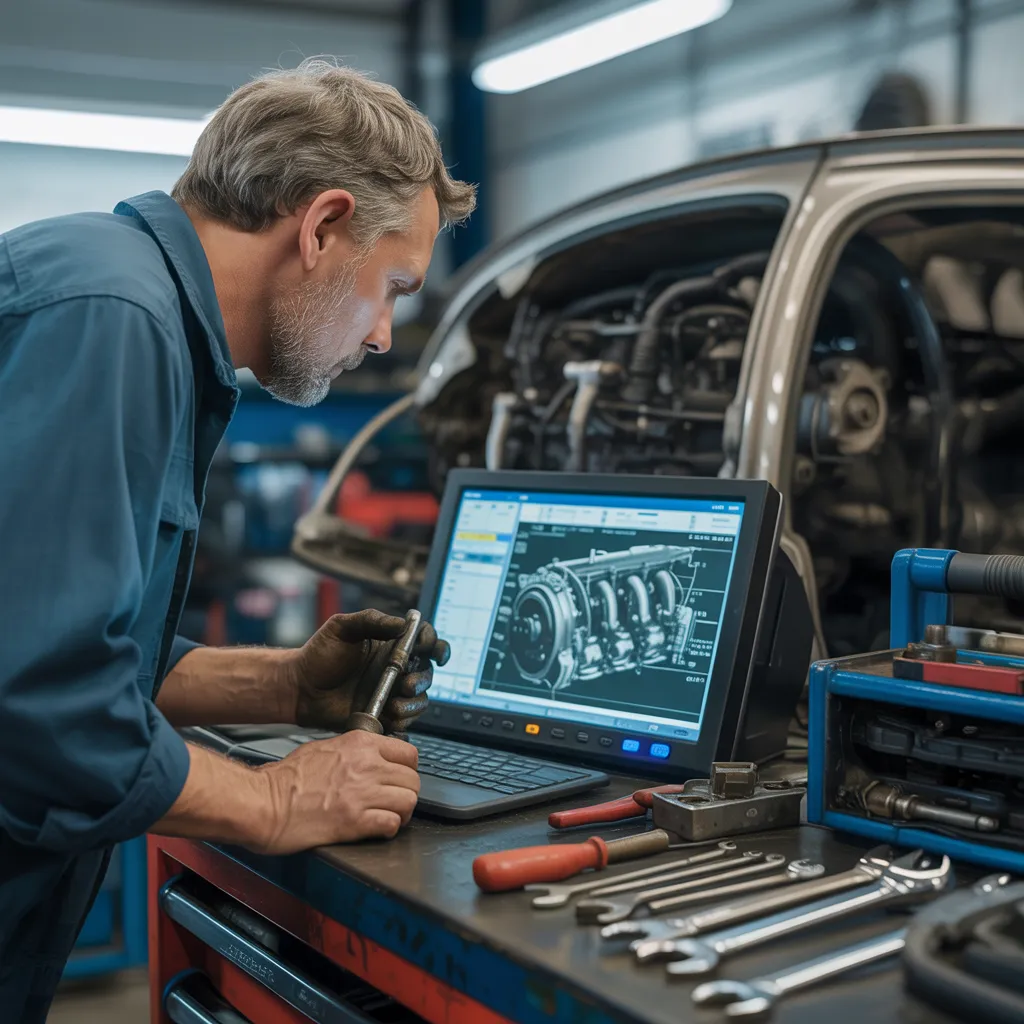
Learn Your Vehicle's Maintenance Schedule
To maintain peak performance and longevity, every car owner must understand their vehicle's maintenance schedule. This schedule defines the exact timeframes for servicing key components, making sure the vehicle functions at its best. Regular maintenance tasks typically include oil changes, filter replacements, and tire rotations, all of which are essential for avoiding more serious problems in the future.
Car manufacturers typically include specific instructions in the vehicle owner's manual, specifying when such maintenance should be carried out according to distance or time intervals. Adhering to such guidelines helps maintain the car's warranty coverage and increases resale value.
Furthermore, monitoring service bulletins and recalls enhances vehicle safety and dependability. Through prioritizing the scheduled maintenance, owners can minimize the chances of costly repairs and unexpected breakdowns, thus resulting in a more consistent vehicle performance experience. Acknowledging the value of these regular maintenance intervals is a fundamental element of responsible vehicle ownership.
Check and Change Your Fluids Regularly
Consistently monitoring and replacing vehicle fluids is critical for keeping your vehicle running at its best and preventing costly damage. Fluids such as engine oil, coolant, brake fluid, transmission fluid, and power steering fluid are fundamental to a vehicle's overall function. Engine oil keeps moving components lubricated, minimizing friction and excessive heat, while coolant prevents overheating. Brake fluid plays a crucial role in ensuring effective braking performance, and transmission fluid ensures seamless gear transitions.
Neglecting fluid maintenance can lead to severe issues, including motor damage or reduced braking efficiency. It is recommended that vehicle owners review their owner's manual for precise guidelines on fluid checks and changes. Furthermore, routine inspections can assist in detecting leaks or contamination at an early stage. By incorporating fluid maintenance into regular vehicle upkeep, owners can improve durability and dependability, ultimately reducing expensive repair costs. Giving these responsibilities proper attention significantly benefits the overall condition of the vehicle.
Inspect and Replace Worn Tires
Inspecting and replacing worn tires is crucial for guaranteeing safety and peak vehicle performance. Tires serve as the sole point of contact between a vehicle and the road, making their upkeep essential. Routine inspections should encompass evaluating tread depth, sidewall deterioration, and irregular wear patterns. Tread depth can be evaluated using the penny test; if the tread does not cover Lincoln's head, it's time for a replacement.
Drivers should also monitor tire pressure, as both low pressure and high pressure can negatively impact handling and fuel economy. Moreover, rotating tires every 5,000 to 7,500 miles supports balanced wear and increases their longevity. Should any tires display significant wear or damage, immediate replacement is necessary to preserve maximum traction and avoid blowouts. By focusing on proper tire upkeep, motorists can strengthen safety, optimize fuel savings, and secure a smoother journey. Consistent tire care can significantly influence overall vehicle dependability.
Routine Brake Inspections and Pad Replacements
Regular brake inspections and pad replacements are essential for maintaining vehicle safety and performance. Drivers should be aware of the signs of worn brake pads, such as squeaking or reduced responsiveness. Establishing a schedule for inspections can help prevent costly repairs and guarantee peak brake health.
The Value Of Brake Health
Although many drivers focus on engine performance and fuel economy, the significance of brake health cannot be overstated. Proper brake function is essential for vehicle safety, allowing drivers to halt safely and prevent collisions. Regular brake inspections help identify potential issues early, avoiding expensive fixes and maintaining optimal functionality. Brake pads, which experience significant wear over time, should be replaced according to manufacturer recommendations or when inspections indicate reduced effectiveness. Failing to attend to brake condition can cause diminished halting power and extended stopping distances, placing the driver and surrounding individuals in jeopardy. By prioritizing brake upkeep, drivers can improve their vehicle's reliability and lifespan, resulting in a safer and more confident journey.
Warning Signs Of Worn Pads
Brake pads are essential components that directly impact a vehicle's stopping power, and identifying the indicators of deteriorating pads is crucial for ensuring road safety. Drivers should be vigilant for several indicators of wear. A squeaking or grinding noise during braking often signals that the pads are worn down and need replacement. Moreover, a vehicle veering to one side when braking may point to inconsistent pad wear. Reduced responsiveness or a spongy brake pedal can also indicate that the pads are not performing effectively. Moreover, visual inspection can reveal a thin pad surface, typically less than a quarter-inch thick, necessitating immediate attention. Regular brake inspections can help identify these issues before they compromise safety.
Routine Inspection Suggestions
Scheduled inspections are vital for maintaining peak vehicle performance and safety. Periodic brake inspections, commonly advised every 6,000 to 10,000 miles, are effective in spotting wear and tear before it develops into a major concern. Technicians evaluate the brake pads, rotors, and fluid levels to ensure peak performance. Should brake pads wear below the manufacturer's recommended standards, immediate replacement becomes necessary. Ignoring this upkeep may result in reduced braking performance and potentially dangerous conditions. Additionally, drivers should be aware of any unusual sounds or vibrations during braking, which may indicate the need for immediate inspection. Observing these suggestions not only strengthens vehicle safety but also increases the durability of the braking system. Prioritizing scheduled inspections leads to a more reliable driving experience.
Inspect Your Battery Health Consistently
How does one ensure their vehicle starts reliably every time? Routine battery health inspections are essential for ensuring reliable performance. A vehicle's battery is essential for starting the engine and powering various electrical systems. With continued use, batteries may experience reduced capacity as a result of aging, harsh temperature conditions, or terminal corrosion.
To preserve battery performance, it is essential to examine it every half year. Check for signs of wear, such as physical damage like cracks or swelling. Address any corrosion around the terminals using a mixture of baking soda and water. Additionally, testing the battery's voltage can help determine its overall health; a fully charged battery should display approximately 12.6 volts or more.
If the battery begins to show signs of wear, replacing it promptly can prevent unexpected failures. By focusing on battery care, car owners can ensure their vehicles start dependably, decreasing the possibility of becoming stranded as a result of battery complications.
Don't Overlook Warning Lights
Overlooking dashboard warning lights can lead to serious consequences for a car's safety and performance. Such indicators function as vital signals that notify drivers of underlying concerns, varying from minor malfunctions to major breakdowns. To illustrate, a check engine warning could indicate anything from a loose gas cap to a significant mechanical engine failure.
Dismissing such warnings could cause mounting repair bills and higher expenses, as well as unsafe driving conditions. In addition, some warning lights, particularly those related to brake issues or oil pressure problems, indicate immediate risks that may endanger both the vehicle and the driver.
Vehicle owners are encouraged to become familiar with their vehicle's dashboard warning symbols, ensuring they understand the implications of each warning light. Acting quickly on these warnings can reduce the risk of further damage and improve the vehicle's lifespan, which is why it is crucial to respond to warning lights without delay.
When to Handle It Yourself vs. Hire a Mechanic
Deciding whether to handle auto repairs personally or seek professional help relies on various important elements. It is essential to assess your abilities and expertise, correctly identify the problem, and weigh the relevant expenses. Weighing these factors can result in a better-informed choice regarding the most suitable approach.
Gauging Your Capabilities
When evaluating the choices between tackling a car issue independently or turning to an expert, people should first assess their own mechanical skills and knowledge. Evaluating personal experience with tools, knowledge of car systems, and past repair successes can help determine one's capabilities. Individuals with a strong background in car mechanics may be comfortable managing minor repairs, such as changing oil or replacing filters. In contrast, individuals lacking hands-on experience or those facing complex issues should consider consulting a mechanic. Additionally, being aware of your own readiness and the inherent risks of the situation is vital. At the end of the day, recognizing the right moment to call in an expert can protect your time, budget, and vehicle from unnecessary harm.
Assessing The Situation
Upon assessing their hands-on capabilities, people must correctly determine the underlying problem to establish whether a do-it-yourself approach is viable or if professional assistance is necessary. Recognizing symptoms, such as odd sounds or indicator lights, is the starting point. Looking into these indicators can shed light on potential problems. Simple issues, like swapping out a battery or changing oil, may be manageable for those with some experience. However, advanced repairs, such as gearbox malfunctions or electrical system malfunctions, often require specialized knowledge and tools. Vehicle owners ought to weigh their schedule and resource availability. Ultimately, understanding when professional help is needed can preserve both time and finances, making certain the vehicle is given the right level of maintenance.
Cost Considerations Involved
In what ways can people successfully manage their finances while addressing vehicle repair needs? Deciding whether to tackle repairs themselves or consult a mechanic often copyrights on cost considerations. Handling repairs independently can reduce costs, especially for simple tasks such as oil changes or air filter replacements. Nevertheless, people must evaluate their abilities and consider the risk of expensive errors. On the other hand, intricate repairs like engine or transmission services generally demand skilled professionals, as the initial investment can avert greater damage and escalating costs. Furthermore, accounting for the cost of tools and supplies needed for self-repair work can significantly affect total spending. In the end, knowing when to dedicate personal effort versus hiring a professional is key to preserving both the condition of the vehicle and financial stability.
Frequently Asked Questions
How Can I Tell if My Car Needs a Tune-Up?
An automobile may need a tune-up if it experiences difficulty starting, unusual noises, decreased fuel efficiency, rough idling, or warning lights. Scheduled maintenance evaluations can assist in detecting these problems early on for peak vehicle performance.
What Are the Signs of a Bad Alternator?
Symptoms of a malfunctioning alternator include dimming headlights, electrical malfunctions, a depleted battery, unusual noises, and warning indicators on the dashboard. Noticing these symptoms can signal the need for prompt inspection or replacement.
How Often Do I Need to Rotate My Tires?
Tires should typically be rotated every 5,000 to 7,500 miles driven, depending on the vehicle and tire type. Regular rotations help guarantee even wear, extend tire life, and maintain ideal handling and performance on the road.
What Should I Do When My Engine Overheats?
If the engine overheats, the driver should carefully pull over to the side, switch off the engine, and let it cool down. Examining the coolant levels and identifying any leaks is critical before trying to restart the vehicle.
What Steps Can I Take to Improve My Vehicle's Fuel Economy?
To maximize fuel economy, individuals should maintain proper tire pressure, perform regular engine tune-ups, opt for examine guide high-grade fuel, eliminate unnecessary weight, and adopt smoother driving habits. Together, these measures lead to greater miles per gallon performance.